Getting Started with Custom Home Planning
- tdtipton
- Dec 8, 2025
- 3 min read
Building a home is a major decision. It requires careful thought and planning. Custom home planning helps you create a house that fits your needs and lifestyle. It gives you control over the design, layout, and features. This guide explains the key steps to get started with custom home planning.
Understanding Custom Home Planning
Custom home planning means designing a home from scratch or modifying existing plans to suit your preferences. It is different from buying a pre-built house or a standard plan. You work with designers, architects, and builders to create a unique home.
The process starts with identifying your needs. Consider the number of bedrooms, bathrooms, and living spaces. Think about your daily routines and how the home can support them. For example, if you work from home, you might want a dedicated office space.
Next, consider the style of the home. Do you prefer a modern look or a traditional design? Custom home planning allows you to choose materials, colors, and finishes. You can also decide on energy-efficient features and smart home technology.
Budget is another important factor. Custom homes can vary widely in cost. Set a realistic budget early on. This helps guide decisions and avoid surprises later.
Steps in Custom Home Planning
Define Your Goals
Write down what you want in your home. Include must-haves and nice-to-haves. This list will guide the design process.
Choose a Location
The site affects the design. Consider the size, shape, and topography of the lot. Also, check local zoning laws and building codes.
Select a Design Professional
Hire an architect or a home designer. Look for someone with experience in custom homes. Review their portfolio and ask for references.
Create a Preliminary Design
Work with your designer to draft initial plans. This includes floor plans, elevations, and site layout. Review and revise until you are satisfied.
Finalize Plans and Budget
Once the design is set, get detailed cost estimates. Adjust the design if needed to stay within budget.
Obtain Permits and Approvals
Submit plans to local authorities for approval. This step ensures your home meets all regulations.
Start Construction
Choose a builder with a good reputation. Monitor the construction process and communicate regularly.
Choosing the Right Design Style
Selecting a design style is a key part of custom home planning. The style affects the look and feel of your home. It also influences the materials and construction methods.
Popular styles include:
Traditional: Features classic elements like gabled roofs and brick or stone exteriors.
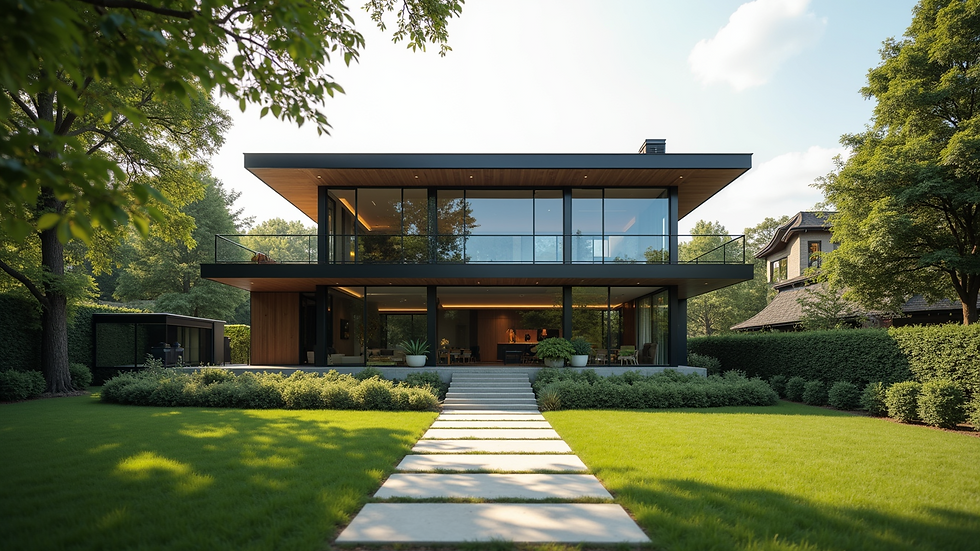
Modern: Emphasizes clean lines, open spaces, and large windows.
Craftsman: Known for handcrafted details, exposed beams, and natural materials.
Ranch: Single-story layout with a simple, functional design.
Cabin: Rustic style using wood and stone, often suited for mountain or forest settings.
Look at examples to find what appeals to you. You can also mix elements from different styles to create a unique look.
Practical Tips for Custom Home Planning
Prioritize Functionality
Design spaces that work well for your lifestyle. For example, place the kitchen near the dining area. Include enough storage throughout the home.
Plan for the Future
Think about how your needs might change. Consider extra rooms that can serve multiple purposes.
Focus on Energy Efficiency
Use insulation, energy-efficient windows, and appliances. This reduces utility costs and environmental impact.
Communicate Clearly
Keep open communication with your designer and builder. Ask questions and provide feedback promptly.
Visit the Site Often
Regular site visits help you stay informed about progress and catch issues early.
Exploring Custom Home Design Options
When you explore custom home design, you find a wide range of plans and ideas. Tipton Home Designs offers both unique and traditional styles. Their portfolio includes homes suited for the Knoxville, Sevierville, and Gatlinburg areas.
Reviewing existing plans can inspire your own design. You can choose a plan and customize it to fit your needs. This approach saves time and can reduce costs.

Moving Forward with Your Custom Home
Starting a custom home project requires commitment and patience. The process takes time but results in a home tailored to you. Use the steps and tips outlined here to guide your planning.
Work with trusted professionals who understand your vision. Keep your goals and budget in mind throughout. With careful planning, you can create a home that meets your needs and stands the test of time.


Comments