Unveiling the World of Home Design Process
Designing a home is a complex task that requires careful planning and attention to detail. It involves more than just choosing colors and furniture. The process includes understanding space, function, and style to create a living environment that suits the needs of its occupants. In this post, I will walk you through the essential steps of the home design process, explain key concepts, and offer practical advice for anyone interested in building or remodeling a home.
Understanding the Home Design Process
The home design process starts with a clear vision. This vision guides every decision from the layout to the finishing touches. The first step is to assess your needs and preferences. Consider how many bedrooms and bathrooms you require, the size of common areas, and any special features like a home office or outdoor living space.
Next, create a budget. Knowing your financial limits helps narrow down options and prevents overspending. It is important to include costs for materials, labor, permits, and unexpected expenses.
After setting a budget, the next phase is drafting the floor plan. This plan shows the arrangement of rooms and how they connect. It should maximize natural light and ventilation while ensuring privacy and comfort. Working with a professional designer or architect can improve this step, as they bring expertise and creativity.
Once the floor plan is approved, focus shifts to selecting materials and finishes. Choices here affect the home’s durability, maintenance, and aesthetic appeal. For example, hardwood floors offer warmth and longevity, while tile is practical for wet areas.
Finally, the construction phase begins. Regular communication with builders and contractors is essential to keep the project on track and address any issues promptly.
Key Stages in the Home Design Process
Breaking down the home design process into stages helps manage the project efficiently. Here are the main stages:
Concept Development
This stage involves brainstorming ideas and gathering inspiration. Look at magazines, websites, and model homes to identify styles and features you like.
Site Analysis
Evaluate the location where the home will be built. Consider factors like topography, climate, and local building codes. This analysis influences the design to suit the environment.
Schematic Design
Create rough sketches or digital models of the home layout. This step focuses on spatial relationships and overall form.
Design Development
Refine the schematic design by adding details such as window placement, door types, and room dimensions.
Construction Documents
Prepare detailed drawings and specifications needed for permits and construction. These documents guide builders and ensure compliance with regulations.
Construction
The physical building of the home takes place. Regular site visits and inspections help maintain quality and schedule.
Post-Construction
After completion, inspect the home for any defects or unfinished work. Address these issues before moving in.
Each stage requires collaboration between homeowners, designers, and builders. Clear communication and decision-making are vital to avoid delays and cost overruns.
What is the 3-5-7 Rule in Interior Design?
The 3-5-7 rule is a simple guideline used to create balanced and visually appealing interiors. It refers to the number of items or elements in a space, divided into three groups:
3: Large items or focal points, such as a sofa, dining table, or bed. These anchor the room.
5: Medium-sized items that complement the large pieces, like chairs, side tables, or lamps.
7: Small accessories and decorative objects, including cushions, vases, and artwork.
Applying this rule helps avoid clutter and ensures a harmonious arrangement. It also makes decorating easier by providing a clear structure to follow.
For example, in a living room, you might have three large pieces of furniture, five medium accessories like lamps and side tables, and seven smaller items such as books, plants, or picture frames. This balance creates a cohesive look without overwhelming the space.
Choosing the Right Style for Your Home
Selecting a style is a crucial part of the design process. It reflects your personality and influences the overall atmosphere of the home. Popular styles include:
Traditional: Features classic details, symmetry, and rich colors. It often includes wood furniture and ornate moldings.
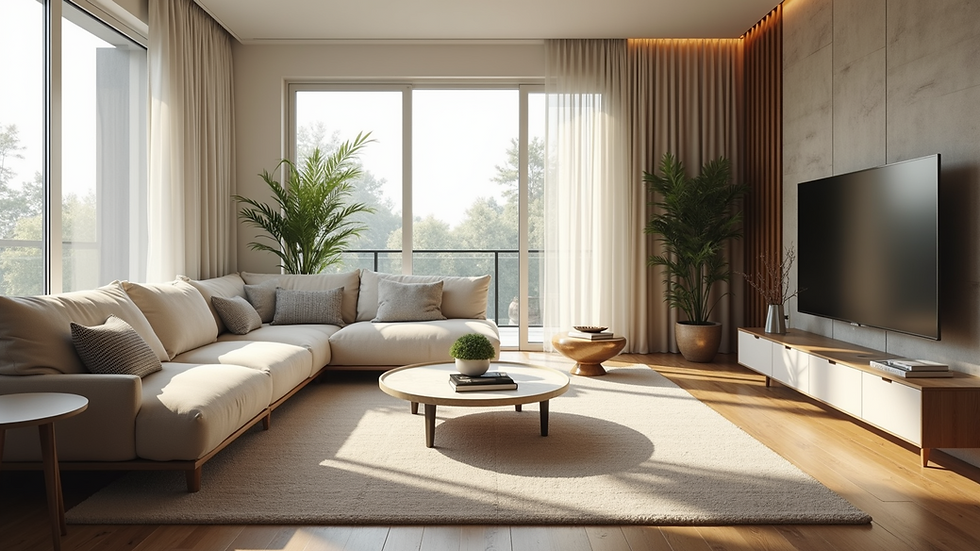
Modern: Emphasizes clean lines, minimalism, and neutral colors. Materials like glass, steel, and concrete are common.
Rustic: Inspired by nature, this style uses natural materials like wood and stone. It creates a warm and cozy environment.
Transitional: Combines traditional and modern elements for a balanced look.
Craftsman: Focuses on handcrafted details, built-in furniture, and natural materials.
When choosing a style, consider the local climate and environment. For example, rustic cabins fit well in mountainous areas, while modern homes suit urban settings.
You can also mix styles to create a unique look. The key is to maintain consistency in color schemes and materials to avoid a disjointed appearance.

Practical Tips for a Successful Home Design Project
To ensure your home design project runs smoothly, keep these tips in mind:
Plan Ahead: Start with a clear list of needs and wants. This helps avoid last-minute changes.
Set Realistic Budgets: Include a contingency fund for unexpected costs.
Hire Professionals: Architects, designers, and builders bring expertise that saves time and money.
Communicate Clearly: Regular updates and feedback prevent misunderstandings.
Focus on Functionality: Design spaces that work well for daily activities.
Consider Energy Efficiency: Use insulation, windows, and appliances that reduce energy consumption.
Think Long-Term: Choose durable materials and flexible layouts that can adapt to future needs.
By following these guidelines, you can create a home that is both beautiful and practical.
Moving Forward with Your Home Design Journey
Designing a home is a rewarding experience that requires careful thought and collaboration. Understanding the process and key principles helps you make informed decisions. Whether you prefer a traditional style or a modern look, the goal is to create a space that meets your needs and reflects your taste.
If you want to explore more about home design, consider consulting with local experts who understand the unique characteristics of the Knoxville, Sevierville, and Gatlinburg areas. They can provide valuable insights and help you achieve a custom design that fits your lifestyle.
Taking the time to plan and execute your home design project carefully will result in a comfortable and lasting home that you can enjoy for years to come.


Solar panels from Home Mart are categorized systematically. Capacity options are arranged logically. Display follows defined standards.